Fastest Turnaround Times In The Surveying Industry!


Strata and land subdivision are critical steps in shaping successful property developments across Sydney. At MCS Surveyors, we’ve helped countless developers navigate these complex processes, turning potential roadblocks into strategic opportunities. Zoning restrictions, council approvals, and environmental impacts can make or break a project. We understand these challenges and help developers turn them into opportunities.
In this guide, we’ll share insights from our experience working with developers, covering everything from legal frameworks to practical considerations. With the right planning and expert guidance, you can streamline approvals, maximise return on investment, and deliver projects that stand out in one of Australia’s most competitive property markets. Let’s get started!
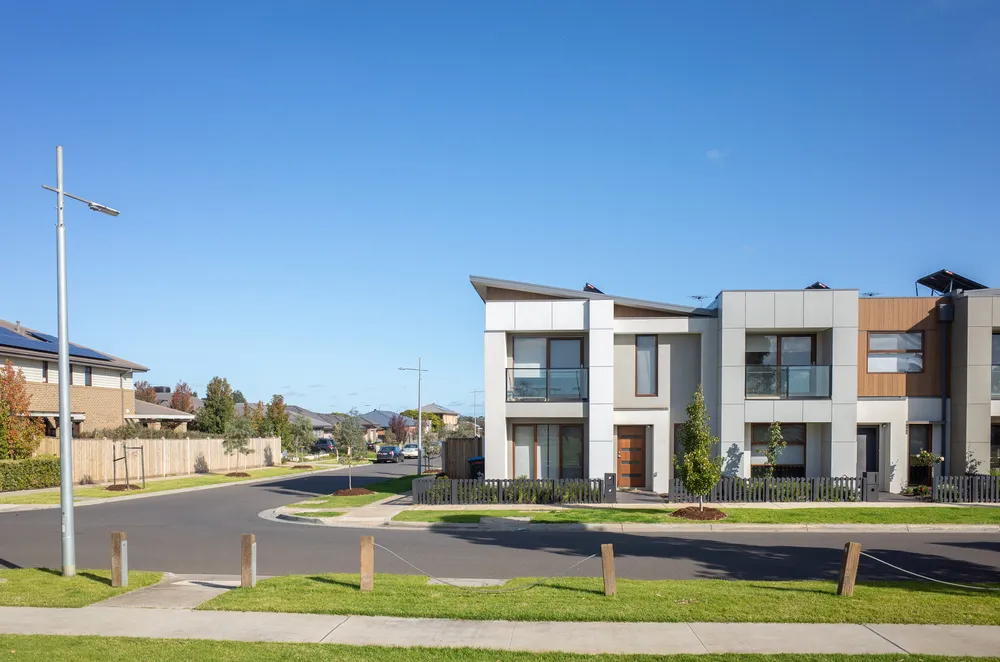
Navigating the complexities of strata subdivisions requires a comprehensive understanding of legislative requirements and common pitfalls. In this section, we will discuss the key legislative frameworks governing strata titles and offer insights into common mistakes businesses should avoid.
Think of the Strata Schemes Development Act 2015 as the rulebook for creating and running strata schemes in NSW. It sets out how land is divided and how communities are managed. This outlines the processes for subdividing land into lots and common property and establishing strata plans. Businesses must ensure compliance to establish and operate a strata scheme legally.
Complementing the Development Act, the Strata Schemes Management Act 2015 provides guidelines for the management and administration of strata schemes. It covers aspects like bylaws, strata committees, financial management, and dispute resolution. Understanding these requirements is crucial for maintaining a well-functioning strata community.
Strata subdivisions must also comply with local council regulations and environmental planning instruments. These may include zoning laws, building codes, and environmental impact assessments. Engaging with local councils early in the planning process can help identify any additional requirements specific to the location.
The registration of strata plans with the NSW Land Registry Services is a critical step in the creation of strata titles. This process involves the preparation and lodgement of detailed plans and documents, often requiring the expertise of professional surveyors in Sydney and legal advisors to ensure accuracy and compliance.
Inadequate planning and poor stakeholder consultation often cause delays, higher costs, and compliance issues. Companies should engage experienced surveyors, legal advisors, and other professionals early in the process to navigate the complexities of strata subdivisions effectively.
Bylaws set the rules for owners, tenants, and the owners’ corporation. Misunderstanding them can quickly escalate into disputes and legal challenges. It's essential to ensure that bylaws are clear, legally sound, and tailored to the specific needs of the strata community.
Poor financial management is a common issue. A practical way to avoid this is by setting up a sinking fund early and running annual audits, small steps that prevent bigger liabilities later. Regular audits and transparent financial reporting can help avoid financial mismanagement and potential liabilities.
Disputes over maintenance, finances, or bylaws are common. Ignoring them early can turn small disagreements into costly legal battles. Ignoring or inadequately addressing these disputes can escalate tensions and lead to costly legal proceedings. Companies should establish clear dispute resolution processes as part of the scheme's governance framework, utilising mediation and other alternative dispute resolution methods where possible.
Failing to meet environmental and safety standards can have legal and financial repercussions. Businesses must ensure that all aspects of the strata scheme, from construction to ongoing maintenance, comply with relevant environmental and safety regulations. Regular inspections and assessments can help identify and address potential issues proactively.
Navigating the intricate landscape of land subdivision compliance in Sydney requires a keen understanding of the city's unique zoning challenges and a commitment to integrating sustainability into urban developments. As a professional, ensuring compliance not only facilitates smoother project execution but also enhances the marketability and long-term success of your developments. To help you learn more, here are the critical aspects of zoning and sustainability that you must consider.
Local Environmental Plans (LEPs) are the core of zoning rules. Each LGA sets its own LEP, regulating land use, building heights, and floor space ratios. Developers must familiarise themselves with the specific LEPs applicable to their project site. Engaging with local councils early in the planning process can provide insights into potential rezoning opportunities or constraints.
Sydney's rich history and diverse architectural landscape mean that many areas are covered by heritage and conservation overlays. These overlays can impose additional restrictions on subdivisions, such as maintaining the facade of historic buildings or preserving landscapes. Developers must conduct thorough due diligence to identify any heritage listings or conservation areas affecting their project and plan accordingly to meet compliance requirements.
A growing population presents opportunities and challenges related to urban density. Sydney’s population boom means more apartments. But roads, schools, and transport don’t always keep up. Developers need to plan around these bottlenecks to avoid approval headaches.
Sustainability is a critical component of modern urban development, and Sydney is no exception. Developers are required to adhere to environmental standards that promote energy efficiency, water conservation, and reduced carbon footprints. This involves incorporating sustainable building materials, implementing renewable energy systems, and designing for passive solar gain. Compliance with standards such as the BASIX (Building Sustainability Index) is mandatory for new residential developments.
Integrating green infrastructure into your subdivision projects can enhance environmental outcomes and compliance. This includes designing green roofs, rain gardens, and permeable pavements that manage stormwater runoff and improve urban biodiversity. Developers should consider how these elements can be woven into their projects, not only to meet compliance requirements but also to create desirable living environments that attract buyers and tenants.
Sustainability in urban development extends beyond environmental considerations to include social and economic dimensions. Engaging with the community and stakeholders during the planning process can yield valuable insights into local needs and preferences, helping to shape developments that are socially sustainable. This engagement can also facilitate smoother approval processes, as community support can mitigate opposition and appeals.

In urban development, precision and efficiency in surveying are important. As Sydney continues to expand vertically and horizontally, the demand for cutting-edge survey methods has never been higher. Among these, drones and laser scanning have emerged as revolutionary tools, offering unparalleled accuracy and efficiency for property developers. Below, we explore how these technologies are transforming urban projects.
Drones, or Unmanned Aerial Vehicles (UAVs), provide the ability to cover large areas quickly and efficiently. Traditional surveying is slow and difficult in complex terrains or dense urban areas. Drones can bypass these obstacles, capturing high-resolution images and data in a fraction of the time, speeding up the surveying process.
Equipped with advanced cameras and sensors, drones can capture detailed aerial images and videos, creating accurate orthomosaic maps and 3D models. These high-resolution outputs are invaluable for property developers, offering detailed insights into potential development sites, existing structures, and surrounding environments. This visual data aids in informed decision-making and strategic planning.
Laser scanning (LiDAR) builds a 3D ‘digital twin’ of your site. For developers, that means unmatched accuracy and fewer costly mistakes during construction. For urban projects, where precision is vital, laser scanning captures dimensions and spatial relationships with unmatched accuracy.
Laser scanning is versatile and can be applied to a wide range of scenarios, from mapping complex urban environments to documenting heritage sites. It benefits projects requiring detailed analysis of existing structures, facilitating renovations, and ensuring compliance with building codes and regulations. By providing a comprehensive digital representation, laser scanning aids in clash detection and prevents costly construction errors.
Laser scanning data can be seamlessly integrated into Building Information Modelling (BIM) and Geographic Information Systems (GIS), enhancing the ability to visualise and analyse spatial data. This integration supports better collaboration among stakeholders, as accurate models allow for more effective communication and planning. For property developers, this means improved project coordination and reduced risk of design discrepancies.
Striking a balance between urban expansion and the preservation of green spaces is necessary. As developers, we meet the city's growing housing demands while ensuring that developments contribute positively to the environment and community well-being. We delve into the critical aspects of achieving this balance, offering insights and strategies to navigate the complexities involved.
Green spaces are more than just pretty; they cool the city, clean the air, and make developments far more attractive to buyers. Integrating green spaces into designs enhances the environmental quality and aligns with sustainable development practices that are increasingly valued by stakeholders.
The presence of parks, gardens, and recreational areas contributes to the quality of life for residents. These spaces offer opportunities for physical activity, relaxation, and social interaction, promoting overall well-being. For property developers, these aspects can enhance the desirability and value of a development project, making it more attractive to potential buyers and tenants.
Developers can adopt innovative design approaches to seamlessly integrate green spaces into urban developments. This includes vertical gardens, green roofs, and the incorporation of natural landscapes within architectural designs. These elements not only enhance the aesthetic appeal but also provide functional benefits such as improved insulation and biodiversity support.
Engaging with the community during the planning and development stages can provide valuable insights into the types of green spaces that will best serve local needs. Conducting surveys, hosting workshops, and collaborating with local environmental groups can foster a sense of ownership and ensure that the green spaces are well utilised and maintained.
The importance of engaging a surveyor early in the process cannot be overstated. Surveyors play a role in ensuring that a project not only complies with legal requirements but also maximises its potential. By integrating a surveyor's expertise from the outset, developers can navigate the intricacies of strata and land subdivision with greater confidence and efficiency. Below, we explore the key benefits of involving a surveyor early in your development project.
Early engagement with a surveyor allows for a thorough site analysis that identifies opportunities and constraints long before they become problematic. Without this early insight, developers risk designing projects that don’t fit the site’s realities, leading to redesign costs and approval delays. This early insight can streamline the planning process, helping developers to align their designs with the physical realities of the site.
Sydney's property development landscape is governed by a complex web of regulations and guidelines. Surveyors possess an in-depth understanding of local zoning laws, environmental restrictions, and building codes. By consulting a surveyor at the early stages, developers can ensure that their projects comply with all necessary regulations, reducing the risk of costly delays or legal complications later in the development process.
Surveyors provide critical data that can influence the design and layout of a development, ensuring optimal use of available space. By understanding the site’s limitations and possibilities, developers can create more efficient and innovative designs that cater to market demands while maximising the value of the property.
Accurate data from a surveyor allows developers to create more precise budgets and timelines. Knowing the exact dimensions and features of a site helps in estimating construction costs and setting realistic project timelines. This foresight is invaluable in maintaining project momentum and ensuring financial viability.
Surveyors provide detailed documentation that is often required for council approvals. This includes precise measurements, site plans, and reports that demonstrate compliance with local regulations. Having these documents ready early in the process can expedite the approval process, saving developers time and resources.
Surveyors often serve as intermediaries between developers and regulatory bodies. Their established relationships and understanding of bureaucratic procedures can be instrumental in navigating the approval process smoothly. By having a surveyor on board from the start, developers can benefit from their expertise in dealing with authorities, ensuring that the project progresses without unnecessary bureaucratic hurdles.
One of the benefits of engaging a surveyor early is the ability to identify and resolve boundary disputes or title issues before they escalate. Surveyors provide accurate boundary surveys that can prevent conflicts with neighbouring properties, safeguarding the developer’s interests and avoiding potential legal battles.
Surveyors don't just focus on the immediate needs of a project; they also consider its long-term viability. By assessing factors such as flood risk, soil stability, and environmental impact, surveyors help developers design projects that are resilient to future challenges, protecting the investment and ensuring sustained profitability.
In conclusion, strata and land subdivision in Sydney aren’t just regulatory hurdles; they’re opportunities to unlock greater value, streamline approvals, and deliver developments that stand the test of time. Success comes from understanding local council requirements, zoning rules, and market dynamics, and partnering with experts who know the terrain. Here at MCS Surveyors, we simplify complex processes, reduce risks, and keep your project moving forward with confidence. If you’re ready to take the next step in your development journey, reach out to our team today, and let us help you turn your vision into a reality.